
EU flight compensation: rights, updates and dates to check
How to distinguish applicable rules from announcements and understand which claims to submit when something goes wrong with your flight.
Il Piccione Viaggiatore · · 4 min read
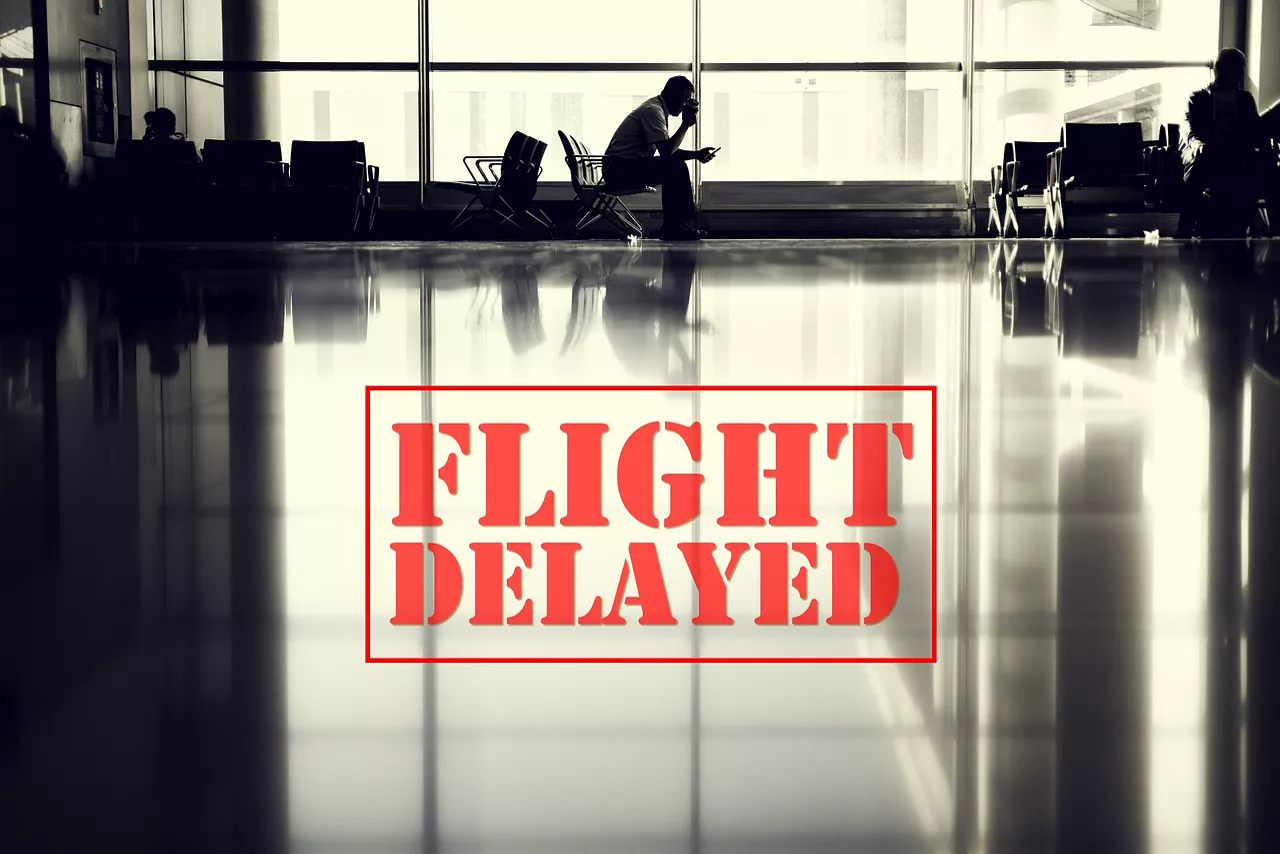
You read that “new EU rules are taking effect” on flight compensation and immediately assume they apply to your flight too. But there may be important steps between an announcement, the adoption of a measure and its application. The same applies to any 30-day deadline: without checking the official text, it is impossible to say which procedure it concerns or when it starts to apply.
Whether you are departing from Rimini, Bologna, Forlì or Ancona, the approach is the same: identify the problem, keep the evidence and check the applicable rules. Here is how to find your way without confusing different rights or expecting an automatic payment.
New EU rules: which date really matters?
To understand a regulatory change, you need to distinguish at least three stages: adoption, publication in the Official Journal of the European Union and entry into force. There may also be a later date of application, possibly accompanied by transitional provisions.
A political agreement or a proposed amendment does not, on its own, amount to a rule that already applies to your trip. Even a regulation that has entered into force may provide for some provisions to apply later.
This is why a news headline is not enough to confirm a new deadline. Before relying on a reference to 30 days, you need to identify the official act and read the relevant article: it might concern a response to a complaint, an application or another procedural requirement, rather than necessarily a payment to the passenger.
Refunds, compensation and assistance: three different things
The basic reference to consult is Regulation (EC) No 261/2004, checking EUR-Lex for any amendments and the text applicable on the date of the disruption.
In everyday language, “compensation” is often used to describe any claim. In practice, it is useful to distinguish between:
- Ticket refund: repayment of the cost of transport in the cases and under the conditions provided for, as an alternative to other available options.
- Financial compensation: a payment provided for in certain situations, where the conditions established by the legislation and its interpretation in case law are met.
- Assistance: services such as meals, refreshments and, where appropriate, overnight accommodation and transfers, depending on the circumstances.
Any compensation for additional damage is a separate matter, which may require evidence and a specific assessment. Receiving a ticket refund therefore does not, by itself, settle every other possible claim.
When to check whether you are entitled to compensation
Cancellation, denied boarding and a long delay do not automatically lead to the same outcome. The type of disruption, the notice you received, any alternative transport and the specific circumstances all matter.
For arrival delays, entitlement to compensation under certain conditions also stems from the case law of the Court of Justice of the European Union, particularly the judgment of 19 November 2009, Joined Cases C-402/07 and C-432/07, Sturgeon and Others. Simply checking the departure time on the board is therefore not enough.
The cause of the problem can also make a difference. Extraordinary circumstances may rule out compensation when the relevant requirements are met, but they do not automatically remove every obligation to provide assistance.
Geographical scope also matters: in general, the regulation covers departures from EU airports and, under certain conditions, flights from third countries to the EU operated by Community carriers. Outbound and return flights must be assessed separately.
Do not take the 30-day deadline for granted
Do not treat “30 days” as a universal deadline by which every airline must compensate passengers for any disruption. The deadline must be tied to a specific provision, a party responsible for complying and a starting point: for example, receipt of a complete application.
By comparison, Article 8 of Regulation (EC) No 261/2004 provides for a seven-day deadline for refunds in the cases covered by that provision. This is a specific rule and should not be extended indiscriminately to compensation, complaints or claims for additional damage.
Without these details, it is safer not to present the change as already applicable to your case.
What to do at the airport and after returning home
During the disruption, ask the airline for information about alternatives and the assistance provided for. Before buying a new flight or booking overnight accommodation yourself, seek guidance from the carrier and keep a record of its responses.
Then prepare a folder containing:
- booking confirmation and boarding pass;
- cancellation or change notifications;
- actual flight times and information received;
- receipts for expenses incurred;
- a copy of your complaint and its reference number.
Send a clear request through the official channels of the airline that operated the flight, distinguishing what you are claiming: a refund, compensation or reimbursement of documented expenses. Receipts are useful, but they do not automatically make every purchase reimbursable.
If no response arrives or it does not resolve the issue
Check the latest procedures on the ENAC website and identify the competent body for the route concerned. A complaint to the supervisory authority is not necessarily the same as a procedure to obtain payment of your claim.
Depending on the case, conciliation procedures or a legal assessment may be relevant. Avoid waiting indefinitely, however: deadlines and procedures must be checked in relation to the claim and the competent jurisdiction. The starting point remains a documented account of events, not the promise of an outcome.

What inspired this article: Risarcimenti aerei, scattano le nuove regole Ue
Questions about your travel documents?
Write to Il Piccione Viaggiatore in Rimini: we can help you organise your booking documents and identify the official channels to consult, without predicting the outcome of any claims.
Cover photo: wal_172619 / Pixabay