
Umrah with older people or people with reduced mobility: preparing for the journey
From the airport to getting around Saudi Arabia, a practical guide to arranging assistance, breaks and accompaniment.
Il Piccione Viaggiatore · · 4 min read
Organising Umrah with an older person or someone with reduced mobility means starting with their everyday needs, not just the itinerary. How far can they walk without becoming tired? Can they climb a few steps? Do they need help getting up or handling luggage? Clarifying these points helps you prepare a more manageable journey, without assuming that a family member can take care of everything.
The aim is not to fill every day, but to reduce foreseeable obstacles: waiting times, changes of transport, distances and a lack of breaks.
1. Start with the person's needs
Before booking, prepare a brief record of their needs, ideally together with the person travelling. Age alone does not indicate how independent someone is: a person who walks around at home may struggle with long airport corridors or crowded spaces.
In particular, note:
- how independently they can walk and their need for breaks;
- their ability to manage stairs and get into a vehicle;
- use of a walking stick, walking frame or wheelchair;
- need for personal assistance during the day;
- any difficulties with vision, hearing or orientation.
If they have medical conditions or their health has recently changed, speak to their doctor before confirming the trip. Ask for guidance on managing medication, heat and physical exertion, without changing doses or timings yourself.
2. Arrange assistance from the first airport
For those travelling from far away, the journey to the airport is already an important part of the trip. Consider not only the distance from home, but also parking, the drop-off point, luggage handling and any connections. A shorter road transfer does not necessarily make up for a complicated flight itinerary.
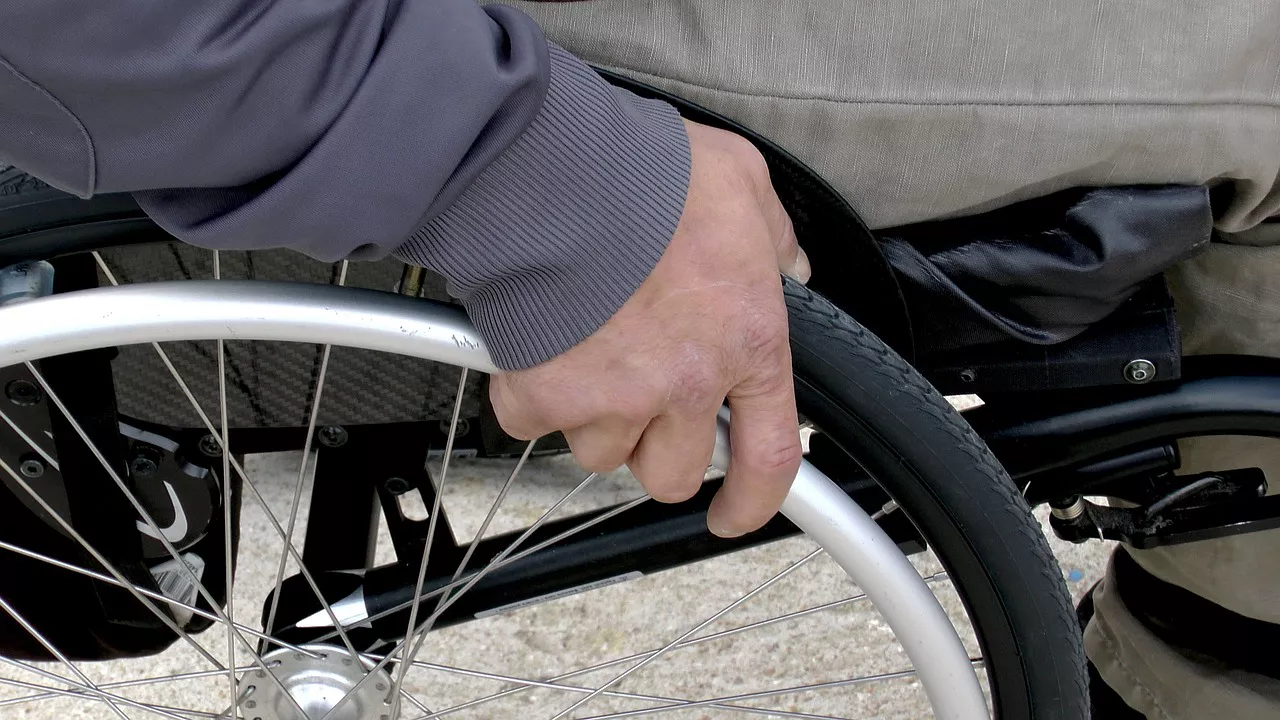
Mention the need for assistance when booking, describing the specific difficulties involved. Explain whether the person can walk to their seat on board, whether they can manage stairs and whether they are travelling with their own mobility aid. Ask the airline and the airports involved to confirm how and when assistance must be requested.
If you are bringing a powered wheelchair, provide its model, dimensions, weight and battery specifications: acceptance and transport require specific checks. For any mobility aid, clarify where it will be handed over and returned.
Do not treat airport assistance as continuous personal accompaniment: check which activities it covers and arrange separate help with meals, medication, using the toilet and other needs.
3. Check transfers and actual accessibility
A short distance on a map can become challenging when there are crowds, crossings, diversions or stretches with nowhere to sit. In Mecca and, if included in your itinerary, Medina, ask about the actual route, not just the stated distance in metres.
For accommodation, have step-free access, lifts, manoeuvring space and bathroom features checked. The label “accessible” is not enough to establish whether a room meets a particular person's needs. If necessary, request photographs or measurements of critical areas.
Transfers also need to be clarified in advance: a standard minivan may not be suitable for someone who cannot move from their wheelchair to a seat. Specify whether a lift or ramp, space for mobility aids and help with luggage are needed. Also check the permitted pick-up and drop-off points and any distance that must be covered on foot.
4. Choose a manageable pace and plan breaks
Heat and crowds can increase fatigue, but waiting times and interrupted sleep also affect independence. If you can choose when to travel, consider the expected weather conditions and potentially larger crowds, without assuming that there are days with no queues.
If you are considering Ramadan, remember that its dates depend on the lunar calendar and may differ by one day from forecasts. Access arrangements and available services should be checked close to departure.
Alternate journeys with rest and leave room to change plans. For any wheelchairs or accompaniment services at your destination, check availability, how to use them and collection points through up-to-date official channels.
5. Prepare documents, medication and mobility aids
Check passports, visas or authorisations required for the journey and Umrah, any health requirements and conditions applying to your chosen travel period. Before departure, consult Viaggiare Sicuri and official Saudi sources: requirements and regulations may change.
For medication, check Saudi Arabia's entry rules, especially if it contains restricted substances. Speak to the doctor about the documentation to bring and whether a certificate in English may be needed. Keep medicines in their original packaging and check storage and transport conditions.
Pack what you need for the journey and for a possible delay in the arrival of your suitcase in your hand luggage, following security regulations. Add spare glasses, chargers and any essential accessories for mobility aids.
6. Clarify responsibilities before departure
Before confirming the itinerary, ask for a written summary of the assistance requested, transfers and any points still to be checked. Also check the terms of any insurance, including exclusions, pre-existing conditions and how to request help.
Share responsibilities within the family: documents, medication taken as prescribed, luggage and accompaniment should not depend on one person alone. Involve the person travelling in decisions and respect their pace. To start organising these aspects, you can consult the page dedicated to Umrah and prepare a list of needs to share with the agency.

Let's plan arrangements suited to your needs
Write to Il Piccione Viaggiatore di Rimini with your preferred airport, the number of accompanying people and your mobility needs: we will help you identify what needs to be checked before organising Umrah.
Cover photo: Konevi / Pixabay