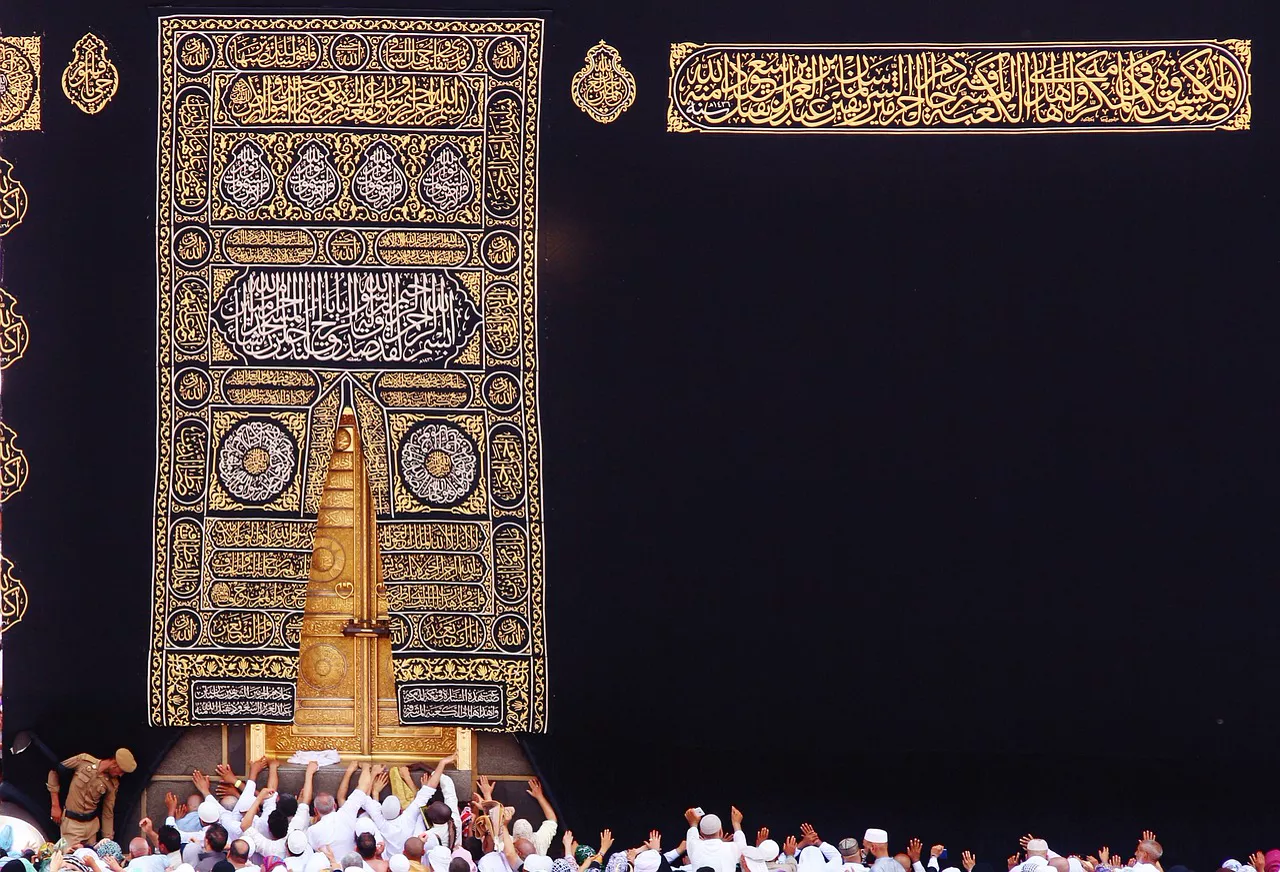
Umrah: ihram, tawaf and sa’i, how to plan your journey
A practical guide to finding your way through the different stages of Umrah, managing transfers and preparing with greater awareness.
Il Piccione Viaggiatore · · 4 min read
Understanding the journey without confusing roles
When preparing for an Umrah trip, you will often come across three terms: ihram, tawaf and sa’i. Knowing them helps you follow your tour escort’s instructions and understand how the day will be organised. This guide covers practical matters only: for religious meaning, how to perform the rituals and personal circumstances, you should consult a qualified religious guide.
As a basic orientation, ihram refers to a ritual state that requires preparation; tawaf is associated with the route around the Kaaba; and sa’i with the route between Safa and Marwa. These are not simply three sightseeing stops: travel arrangements must allow for pilgrims’ needs without imposing an overly tight schedule.
Before departure, ask for a clear itinerary that includes transfers, rest periods and contact details for those in charge. You can also find an overview of the arrangements on the Umrah page.
Ihram: clarify preparations before your transfer
Ihram should not be understood as clothing alone. Religious matters require specific guidance; from a logistical perspective, however, it is important to understand when and where you will be able to prepare, taking your actual itinerary into account.
A trip arriving in Medina may be organised differently from one arriving in Jeddah and continuing to Mecca. Avoid relying on the itinerary followed by friends or relatives: ask for instructions specific to your flight and transfers.
Keep anything you might need before collecting your suitcase in your hand luggage, in accordance with your airline’s rules:
- Necessary clothing and an easily accessible change of clothes.
- Documents and your tour escort’s contact details, also available offline.
- Personal medication, with any documentation that may be required.
- A separate bag for storing items you are not using.
Before departure, also clarify whether stops and places to change will be available: improvising during a transfer can cause avoidable difficulties.
Tawaf: finding your way, crowds and meeting points
Around the Grand Mosque, finding your way is an important part of planning. Entrances, routes and arrangements may change depending on crowd levels and instructions from the authorities. Do not assume that an entrance used the previous day is still the most suitable one.
Before leaving the group, agree on a precise, recognisable meeting point. A vague “see you at the exit” may not be enough in a busy complex. Save your accommodation’s name, location and your contact person’s number on your phone; also carry a paper copy in case your battery runs out.
To carry your belongings, choose a small bag that complies with the current entry rules. Keep essentials within easy reach without taking up space with bulky luggage.
If you lose the group, avoid wandering around looking for them: follow the agreed plan and ask authorised staff when you need assistance.
Sa’i: managing your energy and assistance needs
The route between Safa and Marwa also requires physical and logistical consideration. How tired you feel depends on your personal condition, the crowds and how much you have already walked during the day, not just on the route itself.
If you are travelling with older people, people with reduced mobility or those with medical needs, discuss these matters before booking. Ask for up-to-date information about accessible routes and available assistance services, including how to use them and whether booking is required. Do not assume they are included in the travel arrangements.
The distance from your accommodation also needs to be assessed in practical terms: the actual route, crossings, usable entrances and any transfers all matter.
Timing, climate and planning your day
When choosing when to travel, consider the climate, crowd levels and your physical condition together. The heat in Mecca can be challenging, and conditions change throughout the year. Check the forecast close to departure and avoid filling every free moment with additional journeys.
During Ramadan, daily routines and service arrangements may change. Religious observances follow the lunar calendar, and actual dates may differ by one day from predictions: avoid planning tight connections around a date that has not yet been confirmed.
To make the journey more manageable, allow time to recover after your flight and bring suitable footwear for getting around outdoors. For clothing and items to use during the different stages, distinguish practical advice from religious requirements, which should be clarified with a qualified guide.
Documents and final checks before departure
For travellers departing from Italy, entry requirements, visas, health requirements and any permits must be checked according to citizenship, itinerary and travel dates. Do not assume that the requirements for a previous trip are sufficient: rules can change.
Consult Viaggiare Sicuri before booking and again before departure, along with the relevant official Saudi channels. For personal health concerns, seek advice from your doctor well in advance.
The final check concerns assistance: keep operational contact details, check how to communicate on arrival and make sure you also have a plan without internet access. Thorough preparation does not replace religious guidance, but it allows you to spend less energy dealing with unexpected logistical issues.
Would you like to organise your Umrah trip?
Write to Il Piccione Viaggiatore in Rimini: we can help you clarify your itinerary, transfers and assistance needs, distinguishing organisational matters from guidance to discuss further with your religious guide.
Cover photo: Abdullah_Shakoor / Pixabay