Watamu in November: weather, tides and travel tips
A practical guide to Kenya’s coast, with beaches, nature and excursions to plan around the weather and the rhythm of the ocean.
Il Piccione Viaggiatore · · 5 min read

Watamu in November: what to expect from your trip
Watamu, on Kenya’s coast, is a destination best enjoyed without expecting every day to follow the same plan. The sea changes with the tides, the tropical weather can alternate between sunshine and showers, and excursions require a little flexibility. This rhythm lends itself to a stay combining beach time, outings in nature and breaks during the hottest hours.
November can be a good choice if you are looking for warmth and the sea, but not if you want to rely on dry weather every day. At this time of year, the coast is generally affected by the short rainy season: this is a climatic pattern, not a precise schedule. The intensity and distribution of rainfall can vary from year to year.
If you are traveling from Italy, it is worth thinking about your transfer after the flight too. If you arrive in Mombasa, reaching Watamu involves a road journey: allow for this when planning your first and last days, rather than filling them with activities.
Weather: heat, humidity and flexible plans
In November, expect hot, humid conditions, with potentially heavy showers. This does not necessarily mean continuous rain: there may be clear spells and sunny hours, but it would be unwise to promise that showers only come at night or end within minutes.
The simplest way to organize your stay is to leave a day free between your main activities. A boat trip can be rescheduled if conditions are unfavorable; a walk or cultural visit may fit into another time, depending on the weather and accessibility.
Check the forecast close to departure and keep up to date locally, especially before activities at sea. Sunshine is not the only factor for snorkeling: wind, waves and recent rainfall can affect underwater visibility. Even under cloudy skies, sun protection and hydration remain important.
Tides: how they change the beach and swimming conditions
In Watamu, the tides are part of the landscape. At low tide, the water can recede a long way, exposing large areas of seabed; when it rises, the same beach changes completely. The effect varies depending on the bay and the stretch of coast you are visiting.
This is why there is no fixed time for swimming that applies throughout your stay. Consult an up-to-date tide table for the area and ask for local advice on access points, currents and the day’s conditions. Higher water alone does not guarantee that a spot is suitable for swimming.
What to see beyond the beach
The sea remains a central part of the trip, but combining it with other visits helps you get to know this part of Kenya better. There is no need to turn every day into an excursion: choose a few activities, leaving room to rest and adjust to any changes in the weather.
- Watamu marine area: a guided outing can give you the chance to observe the coral reef environment. Sightings and visibility are not guaranteed; check conditions, permits and visiting arrangements before setting out.
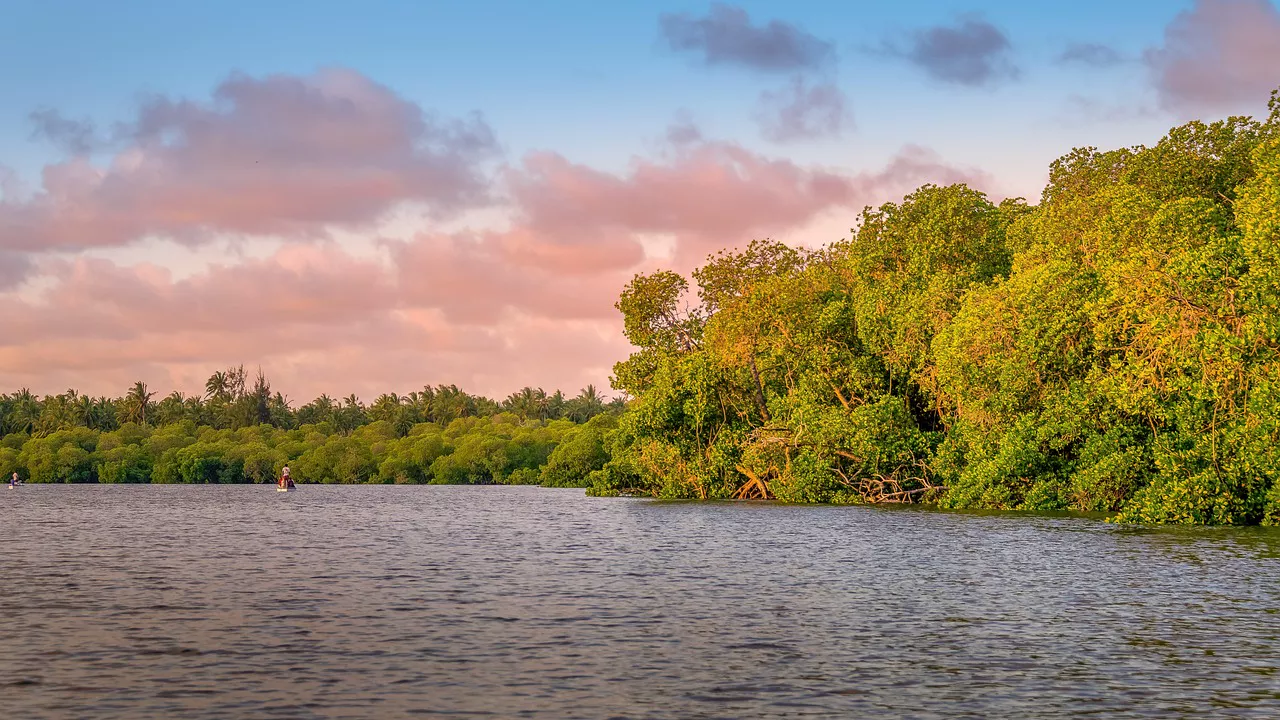
- Mida Creek: an environment of mangroves and channels, different from the ocean beach. Outings also depend on the tide; clarify the route, duration and available equipment in advance.
- Gede ruins: a historic site linked to Swahili culture, best visited in comfortable shoes and, if possible, with a guide to help explain its context.
- Arabuko-Sokoke forest: an option for those who enjoy forests and wildlife watching. Ask about accessible routes, guide arrangements and trail conditions after rain.
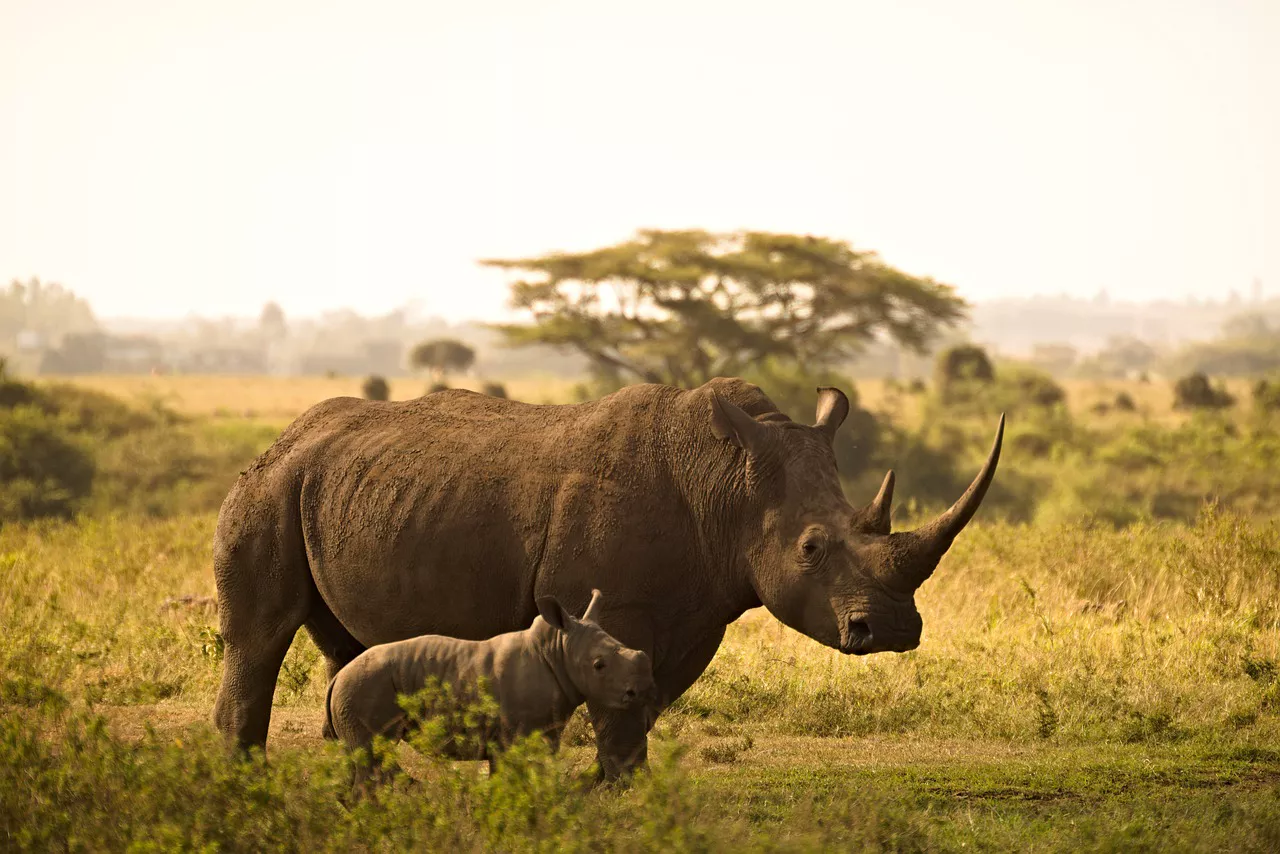
If you would like to add a safari, treat it as a separate part of your trip, not a brief detour from the beach. Transfers and distances can be demanding: allow enough time for the experience and avoid tight connections with your flight home.
What to pack
Bring lightweight, breathable clothes, but not just swimwear. For visits, transfers and evenings, comfortable clothing that covers your arms and legs is useful, including to help limit exposure to insect bites.
- A lightweight rain jacket and a waterproof case for your phone and documents.
- A hat, sunglasses and high-protection sunscreen.
- Insect repellent suited to your needs, chosen with advice from a healthcare professional.
- Closed-toe shoes for visits and trails, as well as beach footwear.
- Personal medication, any prescriptions and a small kit agreed with your doctor or pharmacist.
- An adapter compatible with the sockets used in Kenya, also checking your devices’ requirements.
Keep documents, essential medication and a lightweight change of clothes in your hand luggage. A soft, foldable bag is useful for excursions, while delicate items should be protected from sand, humidity and splashes.
Documents and health: checks before departure
For entry into Kenya, check your passport’s remaining validity, any electronic authorizations and the requirements applicable to your citizenship well in advance. Also check the rules of any transit countries, especially if you plan to leave the airport during a stopover.
Before departure, consult the Kenya information page on Viaggiare Sicuri, including the sections on entry, safety and health conditions. For vaccinations and prevention of mosquito-borne diseases, contact a travel medicine clinic in good time: recommendations also depend on your itinerary and personal circumstances.
Consider health insurance, reading the coverage limits, exclusions and conditions for assistance and any repatriation. Once these checks are complete, you can focus more on the enjoyable part of the trip: deciding when to explore and when to make time for the sea.
Shall we plan your trip to Watamu?
Write to Il Piccione Viaggiatore: we can help you organize transfers, timings and excursions around how you would like to experience Kenya. Tell us where you are traveling from and which experiences interest you.
Cover photo: GildAix / Pixabay